kb. 2 perc olvasás
Online böngészhető a 15. századi kódex, amely tele van ördög és démonrajzokkal
2017. január 31. 11:57
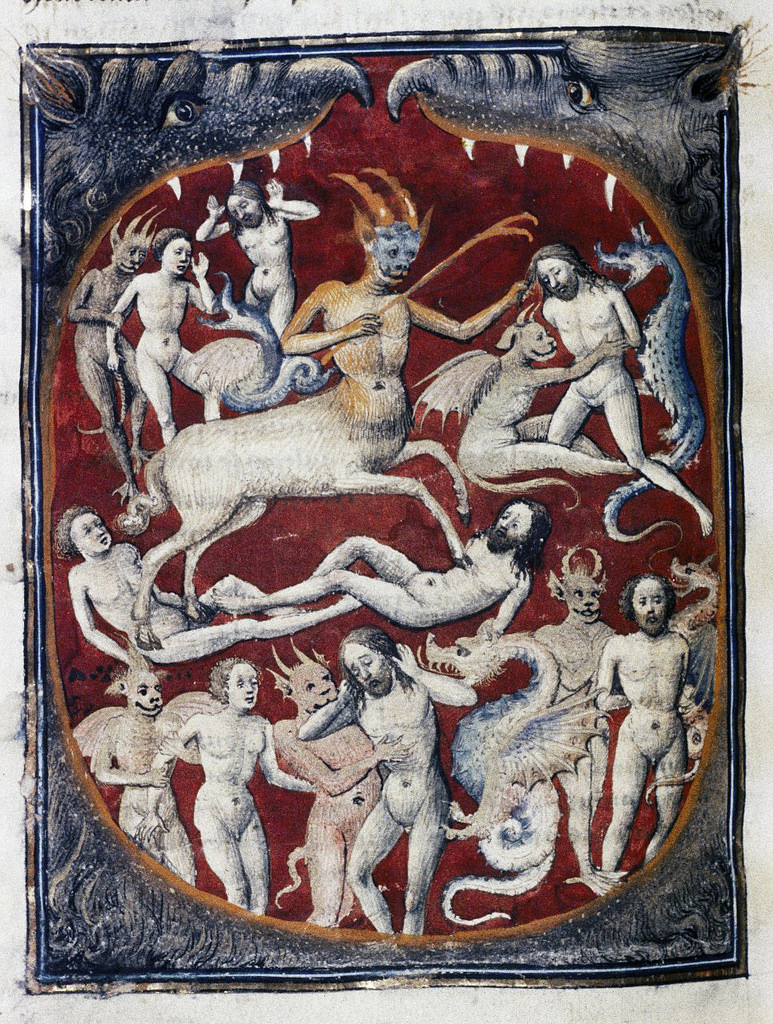
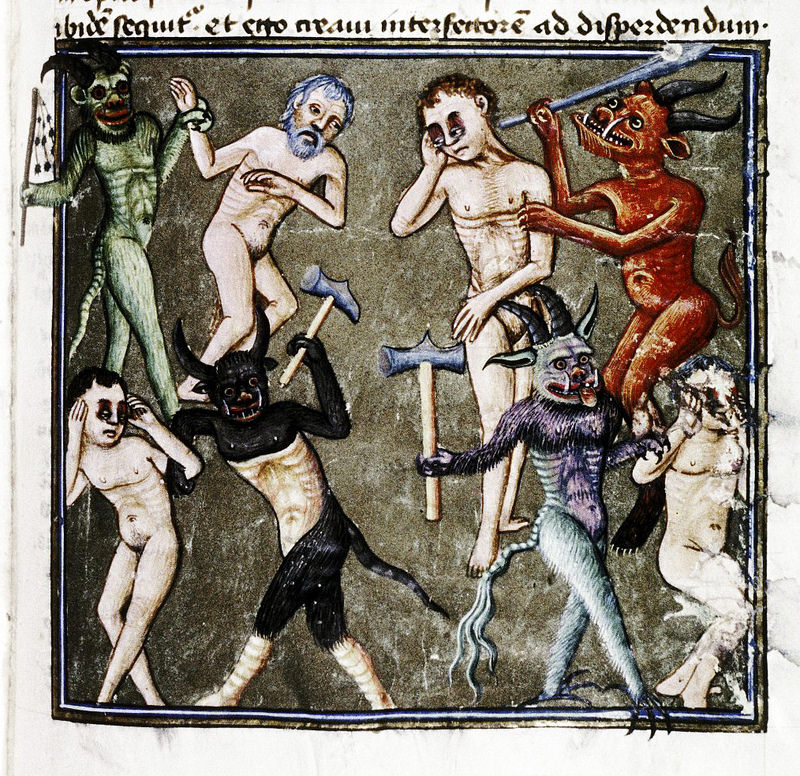
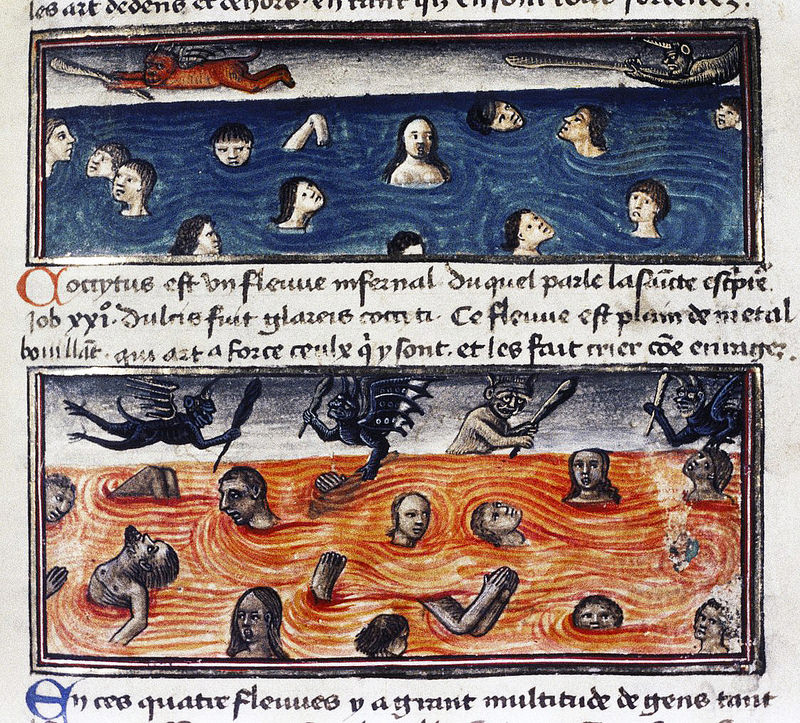
Bárki számára elérhetővé vált az interneten az 1450-1470 körül született, Livre de la Vigne Nostre Seigneur című francia könyv, amely igen gazdagon illusztrált vallási ikonográfiájáról híres. Az Oxfordi Egyetem könyvtárában őrzött kódexben számos ábra (és természetesen szöveg) szól Jézus Krisztus megtestesüléséről, életéről, haláláról, a passióról, feltámadásáról, valamint az Antikrisztus eljöveteléről, az utolsó ítéletről, a mennyről és a pokolról is. Mindezen témával kapcsolatosan pedig gyakran (szinte minden oldalon) szerepelnek az ábrákon ördögök és démonok is, úgy ahogyan a középkoriak elképzelték őket. Sötétebb tónusú (vagy élénkebb színű) bőr, deformitás, agyar, turcsi orr, szarv, pata, farok, grimaszok és a megszokottnál lényegesen több testnyílás jellemzi őket. Általában nem hiányzik a kezükből egy fegyver, főként vasvilla, buzogány vagy bármilyen, kínokat okozni képes eszköz. A különleges munkából, amely 1823-ban egy árverésen bukkant fel, egyetlen példány ismert, a szerzőit homály fedi.
The Livre De La Vigne Nostre Seigneur, 1450-1470
The Livre de la vigne nostre Seigneur (the title comes from the parable of the labourers in the vineyard) in MS. Douce 134 is an illustrated treatise on the Antichrist, Last Judgement, Hell, and Heaven. Bought by Douce at a Paris auction, 1823. Apparently the only surviving copy of its anonymous text. The text is in French prose, enriched with Latin biblical and patristic quotations: there are many corrections and insertions by the original scribe. The miniatures are by several hands. The table of contents specifies that this is book 2; Grenoble, Bibliotheque municipale, MS. 337, calls itself book 1 of the same text, and has a colophon stating that it was completed on 5 March 1463 and that book 2 was made before book 1. Book 1 is a treatise on the Incarnation, Passion, and Resurrection of Christ. The Grenoble manuscript is not by the same scribe or artist, and its illustrations are confined to the margins; the pair (if they are really the two halves of the same set) had been separated by the 16th century. The Grenoble manuscript reached its present home from the Grande Chartreuse only a few miles away, and the double-page miniature of the heavenly court in the Douce manuscript (fols. 144v-145r) features Carthusian saints very prominently: perhaps produced by professional artists for a lay patron with Carthusian connections? re-posted from http://thedevilresearch.blogspot.com/2012_11_01_archive.html 2012.
Full images here.
Thanks to Will Eade!